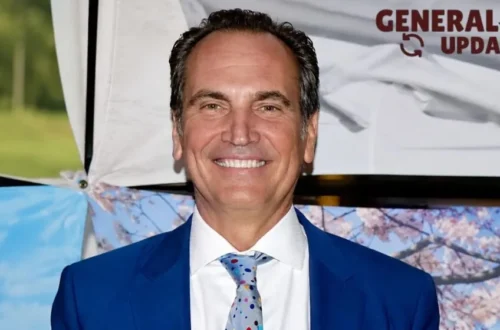








Jim Taiclet and Gary Heminger: Understanding Their Place in American Business
Jim Taiclet and Gary Heminger have led organizations operating in two strategically important sectors of the American economy. Taiclet is associated with aerospace, defense, and communications infrastructure, whereas Heminger built his professional reputation in petroleum refining and energy management. Their careers developed under different market conditions, yet both illustrate the challenges of directing large industrial businesses. By examining their backgrounds, leadership responsibilities, and professional experiences, readers can better understand how executive decisions influence companies, employees, technological development, and the broader economy.
Jim Taiclet’s Journey from Military Service to Executive Leadership
Jim Taiclet’s career stands out because it combines military aviation experience with corporate management. Before entering business leadership, he served as an officer and pilot in the United States Air Force. His military background exposed him to complex technical systems, disciplined planning, and the importance of coordination when decisions carry significant operational consequences.
After leaving military service, Taiclet developed his corporate experience and eventually became chief executive officer of American Tower Corporation. The company operates communications infrastructure that supports wireless connectivity. His work there provided experience in technology investment, infrastructure management, and international business development.
In June 2020, Taiclet became president and CEO of Lockheed Martin. He subsequently became chairman in March 2021. The position brought him into the center of an industry shaped by advanced engineering, defense requirements, digital systems, and long-term government procurement. His professional journey demonstrates how experience gained in one technical environment can help prepare an executive for leadership in another.
Gary Heminger’s Career and Contribution to the Energy Industry
Gary Heminger followed a different path, developing his expertise through decades of work at Marathon. He joined the organization in 1975 and gained experience in several functions, including finance, marketing, business development, and transportation. This professional foundation gave him an understanding of the commercial and operational relationships that influence an energy company’s performance.
Heminger became president and chief executive officer of Marathon Petroleum in 2011 and chairman in 2016. During his leadership, the company operated in an industry influenced by changing fuel demand, commodity-price movements, refining economics, and infrastructure requirements.
His tenure also coincided with wider conversations about environmental responsibility and the future of energy consumption. He retired from Marathon Petroleum’s leadership in 2020. His career illustrates the value of institutional knowledge and the ability to understand an organization through experience across different business functions.
A Closer Comparison of Their Professional Backgrounds
Although their careers developed in different industries, comparing their backgrounds reveals how executive responsibilities depend on the organizations being managed.
| Professional detail | Jim Taiclet | Gary Heminger |
|---|---|---|
| Industry | Aerospace and defense | Petroleum and energy |
| Major company | Lockheed Martin | Marathon Petroleum |
| Earlier experience | Military aviation and communications infrastructure | Finance, marketing, and energy operations |
| CEO appointment | Lockheed Martin, 2020 | Marathon Petroleum, 2011 |
| Leadership environment | Technology, defense programs, advanced manufacturing | Refining operations, energy markets, infrastructure |
The comparison demonstrates that corporate leadership does not follow a single pattern. Taiclet’s experience crosses military service and multiple industries, while Heminger’s career reflects extensive experience within the energy sector. Nevertheless, both backgrounds show why practical knowledge matters when executives must make decisions involving large workforces, substantial investments, and complicated operating systems.
Technology and the Future of Aerospace Leadership
The aerospace and defense industry continues to evolve as new technologies change the design and operation of advanced systems. Digital engineering, sophisticated sensors, autonomous capabilities, and connected platforms increasingly influence how companies develop their products.
For a company such as Lockheed Martin, these developments create opportunities as well as challenges. New technologies must be integrated into reliable systems, while manufacturing processes and supply chains must remain capable of supporting production requirements. In addition, defense programs often involve long development periods, demanding testing procedures, and close coordination with government customers.
Taiclet’s leadership experience reflects the importance of connecting technological ambition with practical execution. Innovation can strengthen a company’s position, but its value ultimately depends on whether the organization can deliver dependable products and meet its commitments.
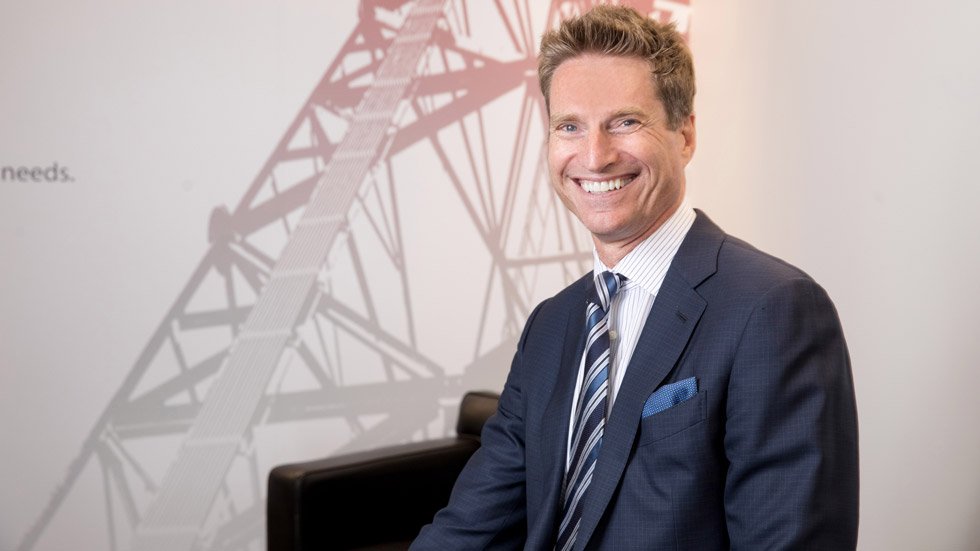
The Business Realities of Petroleum and Energy Management
The energy industry operates under a different set of commercial pressures. Petroleum refining depends on complex facilities, specialized equipment, transportation networks, and careful operational planning. Moreover, company performance can change with fuel demand, crude oil prices, refining margins, and broader economic conditions.
Heminger’s career at Marathon Petroleum illustrates the responsibilities associated with managing this environment. Executives must evaluate investments, monitor operational efficiency, and maintain reliable infrastructure while responding to changing market conditions.
Environmental expectations add another dimension to these decisions. Energy businesses must consider regulatory requirements, operational impacts, and the possibility that future demand patterns may differ from those of the past. Therefore, strategic leadership requires balancing immediate commercial needs with longer-term industry developments.
Leadership, Employees, and Organizational Responsibility
Behind the public image of a chief executive is an organization made up of people whose work determines whether a strategy succeeds. Aerospace companies depend on engineers, technicians, production workers, and project managers. Energy companies rely on refinery personnel, maintenance specialists, transportation teams, and safety professionals.
Consequently, leadership involves more than financial oversight. Executives must communicate priorities, establish realistic expectations, manage risks, and encourage cooperation across departments. Their decisions can influence working conditions, supplier relationships, investment opportunities, and the communities surrounding major facilities.
Taiclet’s background in aviation and technology-oriented businesses provides one perspective on operational coordination. Heminger’s long experience across energy-sector functions offers another. Together, their professional histories illustrate why effective management requires an understanding of both corporate strategy and the people responsible for implementing it.
Lessons from Two Different Executive Career Paths
The careers of Jim Taiclet and Gary Heminger offer useful lessons for understanding professional development. Taiclet’s path shows how experience across military service, communications infrastructure, and defense can contribute to a broad managerial perspective. Heminger’s journey demonstrates the advantages of developing extensive knowledge within a complex industrial organization.
However, neither approach guarantees success automatically. Effective leaders must continue learning, evaluate changing conditions, and recognize when established methods need to be reconsidered. They must also connect strategic objectives with operational capabilities, financial resources, and workforce expertise.
These lessons extend beyond the companies associated with the two executives. Businesses in manufacturing, transportation, telecommunications, and other infrastructure-intensive sectors face similar challenges. In each case, sustainable performance depends on adapting to change while maintaining the capabilities that customers and communities rely upon.
Conclusion: Different Industries, Shared Responsibilities
Jim Taiclet and Gary Heminger represent two distinct experiences in American corporate leadership. Taiclet’s career connects military aviation, communications infrastructure, and advanced defense technology. Heminger’s professional history reflects decades of experience in petroleum operations and energy management.
Their careers demonstrate that successful leadership depends on more than professional recognition or a prominent corporate position. It requires industry knowledge, careful decision-making, operational discipline, and an ability to guide people through uncertainty.
Ultimately, examining these two executives offers a broader understanding of modern business. Aerospace and energy may have different priorities, but both industries depend on investment, skilled employees, reliable infrastructure, and strategic planning. Their professional journeys illustrate the continuing importance of combining experience with adaptability in an economy shaped by technological development and changing industrial needs.
Add a clearer connection between themReduce repeated leadership observations