








Cicely Johnston is a name that sits at an unusual intersection of television history, family life, and celebrity privacy. She is best known as the longtime wife of actor Demond Wilson, the performer who became widely recognized as Lamont Sanford on the classic sitcom Sanford and Son. Yet, unlike her husband, Johnston largely remained outside the entertainment spotlight. That contrast makes her story particularly interesting: she was closely connected to a major period in American television while maintaining a remarkably limited public profile. Available records also connect her to modeling and a small screen credit in the 1974 film Caged Heat.
The Public Story of Cicely Johnston
Cicely Johnston is primarily remembered through her long relationship with Demond Wilson and the family they built together. Wilson’s television career placed him in front of millions of viewers, while Johnston appears to have preferred a much quieter existence. According to entertainment records, the couple married on May 3, 1974, and had six children. Their marriage continued for more than five decades, making their family life an important part of Wilson’s personal biography.
| Person | Known for | Connection to Johnston |
|---|---|---|
| Cicely Johnston | Private family life; reported former model; 1974 film credit | Central subject |
| Demond Wilson | Actor, author and minister | Johnston’s husband |
| Redd Foxx | Actor and comedian | Wilson’s co-star on Sanford and Son |
| Jonathan Demme | Film director | Directed Caged Heat, which credits Johnston |
A Life Shaped by Privacy
One of the most striking aspects of Cicely Johnston’s story is how little she appears to have sought publicity. In an era when spouses of television stars could easily become minor celebrities themselves, Johnston remained comparatively distant from the machinery of entertainment coverage. Consequently, many modern profiles about her are built around a relatively small collection of established details rather than an extensive archive of interviews or public appearances.
That privacy is important when considering her biography. Online descriptions sometimes present highly specific claims about her childhood, education, personality, finances, or personal beliefs without strong supporting evidence. A more responsible approach is to distinguish documented information from details that have simply been repeated across celebrity websites. The public record is limited, and that limitation should be respected rather than filled with speculation.
From Professional Life to Family
Secondary biographical sources commonly describe Johnston as having worked as a model and, earlier, as an airline stewardess. However, these details are not documented with the same strength as Wilson’s professional history, so they are best presented as reported background rather than unquestioned fact.
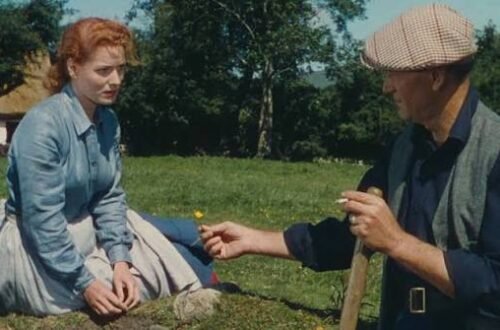
Her entertainment connection is somewhat clearer. IMDb lists Cicely Johnston as an actress associated with Caged Heat, the 1974 film directed by Jonathan Demme. Her appearance was not the beginning of a major acting career, but the credit provides an interesting glimpse into the entertainment world she briefly occupied.
Cicely Johnston and Demond Wilson’s Marriage
The marriage between Johnston and Wilson began while his career was entering one of its most recognizable phases. Sanford and Son, which premiered in 1972, established Wilson as Lamont Sanford opposite Redd Foxx. The show became a major television success, and Wilson remained associated with the character for years afterward.
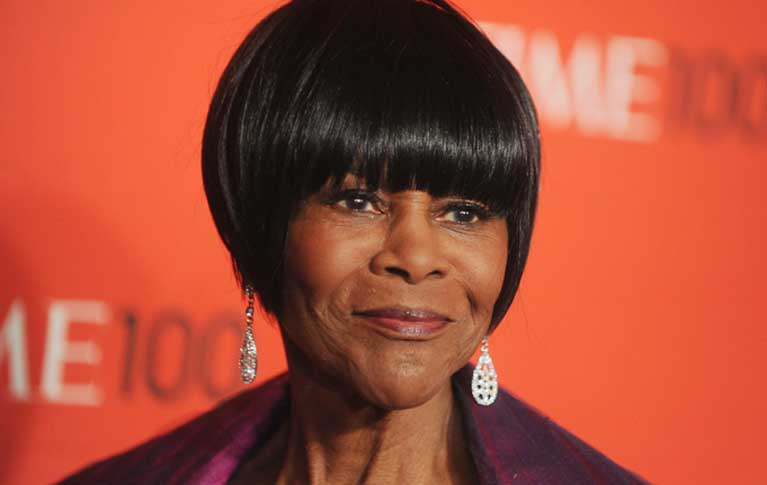
Johnston’s life beside Wilson therefore unfolded alongside a significant chapter in American television. Yet the available record does not suggest that she attempted to turn that proximity into a separate celebrity career. Instead, her public identity remained closely associated with family and marriage. This distinction is especially notable today, when celebrity relationships are often heavily documented and continuously displayed.
The Wilson Family and a Different Kind of Celebrity
Family became an important dimension of Wilson’s life. Television Academy records note that he had six children with his wife, Cicely Johnston.
Moreover, Wilson’s career eventually moved beyond sitcom stardom. After his years in television, he became an ordained minister and devoted significant attention to Christian ministry and writing. The transition meant that his public identity changed considerably—from a sitcom performer recognized for comedy to a religious figure and author.
For Johnston, this broader family journey provides context for understanding why her story cannot simply be reduced to Hollywood. Her connection to Wilson extended across different stages of his life, including the period after his most famous television work.
A Small Place in Film History
The 1974 film Caged Heat gives Johnston a small but tangible connection to cinema history. IMDb credits her in the film, which was directed by Jonathan Demme early in his career.
That appearance is worth mentioning without exaggerating its importance. There is no strong evidence that Johnston pursued a sustained acting career after the film. Instead, the credit serves as an intriguing footnote to a life otherwise documented primarily through family and marriage.
In that sense, the film creates an interesting contrast. Johnston briefly appeared within a medium built around visibility, yet her broader life became defined by relative privacy. The combination makes her public biography unusual rather than conventional.
Life Beside a Television Icon
Being married to a famous actor can create a complicated relationship with public attention. The famous spouse becomes the visible figure, while the partner can become known primarily through association. Cicely Johnston’s experience illustrates that dynamic particularly clearly.
Wilson’s role as Lamont Sanford became part of American television culture. His career was documented through programs, interviews, credits, biographies, and later obituaries. Johnston, by comparison, left a much smaller public footprint. Therefore, understanding her requires resisting the temptation to judge her importance solely by conventional measures of fame.
Her significance lies partly in the fact that she remained connected to a major entertainment figure without becoming a celebrity personality herself.
Demond Wilson’s Final Chapter
Demond Wilson died on January 30, 2026, at his home in Palm Springs at age 79. The Television Academy records the same date of death, while Legacy reports that his death followed complications from prostate cancer.
His death naturally renewed public interest in the people closest to him, including Johnston. After decades of marriage, her name became part of the remembrance surrounding an actor whose career had crossed television, film, writing, and ministry.
This renewed attention also demonstrates how private figures can suddenly become subjects of intense public curiosity. Johnston’s story, however, does not need sensational details to be meaningful. The documented arc—marriage, family, proximity to television history, and a life largely removed from publicity—is already distinctive.
Why Cicely Johnston Continues to Attract Interest
The continuing interest in Cicely Johnston reflects something larger than celebrity curiosity. Audiences have become increasingly interested in the people who existed around famous cultural figures: spouses, parents, collaborators, and family members whose experiences helped shape the private side of public lives.
Johnston represents that quieter side of celebrity history. She was connected to one of the most recognizable sitcom performers of the 1970s, yet she did not build her identity around constant public exposure. As a result, her biography invites a different question—not simply what made someone famous, but what a meaningful life can look like when fame belongs primarily to someone nearby.
What Remains Unknown
A responsible profile of Cicely Johnston must acknowledge the boundaries of the available evidence. Her early childhood, education, precise personal history, and many aspects of her private life are not extensively documented in strong public sources. Likewise, online estimates concerning her finances should not be treated as established facts without reliable documentation.
That uncertainty is not a weakness in the story. Instead, it is part of the story. Johnston’s limited public record appears consistent with someone who did not make personal visibility a central part of her life. In an age increasingly shaped by social media and permanent digital archives, that kind of privacy has become unusual.
The Meaning of a Quiet Legacy
Ultimately, Cicely Johnston’s story is less about celebrity than about the boundary between public achievement and private identity. Her name is linked to Demond Wilson, Sanford and Son, a 1974 film credit, and a family that remained largely away from intense media attention. Those connections provide the framework, but they do not reveal every dimension of her life.
Perhaps that is what makes her story compelling. Fame often preserves the loudest moments—the television appearances, the awards, the headlines and the memorable performances. However, lives lived beside fame can be quieter and harder to document. Cicely Johnston occupies that quieter space, reminding readers that cultural history is not made only by the people standing in front of the camera. Sometimes, it is also shaped by those who chose to remain just outside its brightest light.