








classroom 15x and the Search for a Better Learning Environment
classroom 15x immediately suggests a conversation about scale, design, organization, and the evolving meaning of the classroom itself. Rather than treating education as something confined to rows of desks and a teacher at the front, the idea can be understood as a broader framework for imagining how learning spaces serve students. In an era shaped by digital tools, flexible teaching methods, and changing expectations, classrooms increasingly need to support concentration, collaboration, creativity, and belonging. Consequently, classroom 15x becomes an intriguing phrase through which to examine the relationship between physical space and educational experience.
Why Classroom Design Matters More Than It Seems
A classroom is never simply a container for lessons. Its lighting, seating arrangement, movement patterns, acoustics, and visual environment can influence how students interact with teachers and with one another. For example, a rigid arrangement may encourage individual attention but limit spontaneous collaboration. Conversely, flexible arrangements can make discussion easier while requiring stronger classroom management. Therefore, thinking about classroom 15x through the lens of design encourages a useful question: what kind of environment helps students participate rather than merely remain present?
The Human Side of Learning Spaces
Behind every educational model are real people with different personalities, abilities, interests, and expectations. Some students thrive when they can speak openly, while others need quieter spaces before they feel comfortable contributing. Likewise, teachers must balance curriculum requirements with the emotional atmosphere of the room. A thoughtful classroom therefore creates opportunities for both independence and community. In this context, classroom 15x can represent an approach that recognizes learning as a human experience rather than a purely academic transaction.
From Rows of Desks to Flexible Learning
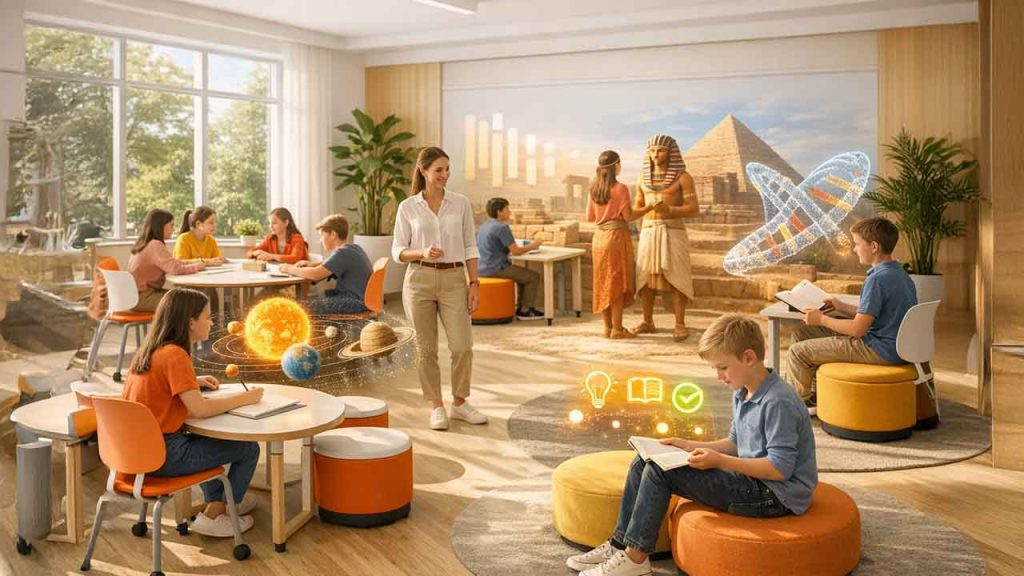
Traditional classrooms were often organized around efficiency: desks faced forward, instruction moved in one direction, and the teacher occupied a clearly defined position. However, contemporary education has increasingly embraced discussion, project work, peer learning, and technology-supported activities. As a result, flexibility has become more valuable. Movable furniture, adaptable seating, shared work areas, and accessible technology can allow teachers to reshape a room according to the lesson. The significance of classroom 15x, therefore, may lie less in a fixed formula and more in the possibility of adaptable learning.
The Technology Question
Technology has transformed what can happen inside an educational environment, but technology alone does not create better learning. A classroom filled with screens can still feel disconnected if students lack meaningful interaction or clear objectives. At the same time, digital platforms can provide access to research, creative tools, simulations, and collaborative projects that were once difficult to arrange. The challenge is balance. classroom 15x can be considered within this wider debate about how physical spaces and digital resources should complement rather than compete with each other.
A Classroom That Encourages Participation
Participation is one of the clearest indicators of an engaging educational culture. Yet participation does not always mean speaking in front of everyone. It may involve writing, building, researching, presenting, questioning, or helping another student. Accordingly, an effective learning environment should provide multiple pathways for involvement. When students believe that their contributions have value, they are more likely to develop confidence and curiosity. This makes classroom 15x a useful conceptual starting point for considering environments where students are active participants in learning.
The Teacher’s Changing Role
The modern teacher is increasingly expected to do more than deliver information. Teachers often act as facilitators, mentors, organizers, evaluators, and sometimes emotional anchors for their students. Because of this, the physical environment needs to support movement and interaction rather than isolate the teacher behind a desk. A flexible room can make it easier to circulate, observe group work, answer questions privately, and recognize students who may be struggling. In practical terms, classroom 15x can therefore connect spatial design with the changing responsibilities of educators.
Inclusion Should Be Built Into the Environment
An educational space should work for students with different physical, sensory, and learning needs. Accessibility is not an optional feature that can simply be added later; instead, it should influence planning from the beginning. Clear pathways, suitable furniture, appropriate acoustics, readable displays, and thoughtful technology can make participation easier for a wider range of learners. Moreover, inclusive design benefits everyone. A quieter corner may help a student who becomes overwhelmed, while flexible seating may help another student concentrate. Thus, classroom 15x can be interpreted through the principle that good design begins with human diversity.
What Makes a Classroom Feel Like a Community?
There is an emotional dimension to education that statistics cannot fully capture. Students remember teachers who encouraged them, classmates who supported them, and spaces where they felt comfortable asking questions. Small details can contribute to that atmosphere: student-created displays, shared projects, natural light, welcoming furniture, and places for conversation. Consequently, a successful classroom is partly defined by whether people feel that they belong there. Any meaningful interpretation of classroom 15x should therefore consider not only functionality but also the emotional identity of the learning environment.
Measuring Success Beyond Test Scores
Academic results remain important, but they do not tell the whole story. A strong learning environment can also encourage confidence, communication, problem-solving, independence, and collaboration. These qualities may take longer to measure, yet they influence how students approach challenges beyond school. Similarly, teachers need environments that allow them to work effectively without unnecessary logistical barriers. Therefore, evaluating classroom 15x should involve broader questions: Are students engaged? Can teachers adapt instruction? Is the space inclusive? Does it encourage curiosity? These questions provide a richer picture of educational quality.
A More Flexible Future for Education
The future classroom is unlikely to look identical everywhere. A rural school, an urban secondary school, a university studio, and an online learning hub may require entirely different approaches. Nevertheless, several principles are likely to remain relevant: flexibility, accessibility, purposeful technology, collaboration, and human connection. classroom 15x can fit naturally into this conversation as an idea associated with reconsidering conventional assumptions about educational space. Rather than asking how classrooms have always been arranged, educators can ask what students actually need from them today.
Why classroom 15x Is Worth Thinking About
Ultimately, the value of classroom 15x lies in the questions it encourages. What happens when space is designed around students rather than tradition? How can teachers move more naturally between instruction and mentorship? How can technology strengthen relationships rather than replace them? And how can a physical environment communicate that every learner matters?
These questions extend far beyond furniture or architecture. They touch the culture of education itself. A classroom can reinforce passivity, or it can invite curiosity. It can create distance, or it can encourage connection. It can remain fixed while educational needs change, or it can evolve alongside the people who use it.
Conclusion: Designing Places Where Learning Can Grow
classroom 15x offers a useful lens for thinking about the future of education because it brings attention back to an often-overlooked truth: learning happens somewhere. The environment surrounding students and teachers can influence communication, concentration, creativity, and belonging. Therefore, educational innovation should not focus exclusively on curriculum or technology. It should also consider the spaces in which those innovations take place.