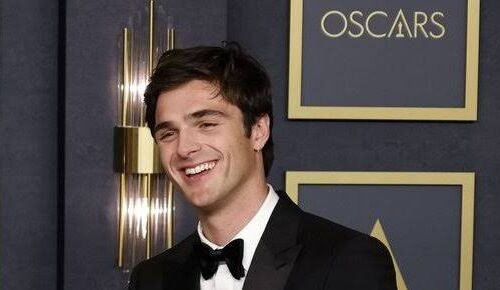








Anthony Hopkins and Saoirse Ronan represent two different generations of acting talent, yet both have earned recognition for their ability to bring complex characters to life. One is celebrated for a career spanning decades, while the other has become known for thoughtful performances across contemporary cinema. Their professional journeys offer an interesting perspective on how acting styles, storytelling, and audience expectations continue to evolve.
Although they belong to different stages of their careers, both actors demonstrate that memorable performances depend on more than fame. Emotional depth, careful character development, and a commitment to storytelling can make an actor’s work meaningful across generations.
Who Is Anthony Hopkins?
Anthony Hopkins is a Welsh actor widely respected for his commanding screen presence and remarkable range. Over a career spanning many decades, he has performed in dramas, historical films, thrillers, and major Hollywood productions.
Hopkins is especially associated with his portrayal of Hannibal Lecter in The Silence of the Lambs. His performance became one of the most recognizable examples of psychological acting in modern film. Rather than relying on exaggerated movements or constant dialogue, he often uses facial expressions, pauses, and controlled delivery to create tension.
His career also includes films such as The Remains of the Day, Nixon, The Father, and The Two Popes. These projects demonstrate his ability to portray very different personalities, from reserved historical figures to emotionally vulnerable individuals.
Hopkins received the Academy Award for Best Actor for The Silence of the Lambs and later won another Best Actor Oscar for The Father. His continued presence in cinema illustrates how an actor can keep exploring challenging roles throughout a long professional life.
Who Is Saoirse Ronan?
Saoirse Ronan is an Irish-American actress known for her emotionally detailed performances and thoughtful selection of roles. She began acting at a young age and gradually developed a reputation as one of her generation’s most accomplished performers.
Ronan gained international attention through Atonement, which earned her an Academy Award nomination while she was still young. She later appeared in films including Brooklyn, Lady Bird, Little Women, and The Lovely Bones.
Her performances frequently explore identity, family relationships, independence, and the transition from childhood to adulthood. In Lady Bird, she portrays a teenager navigating personal ambitions and a complicated relationship with her mother. In Brooklyn, she plays a young Irish immigrant trying to build a life while balancing affection for home with the possibilities of a new country.
Ronan’s work has attracted critical recognition because she can make fictional characters feel believable and emotionally recognizable.
A Comparison of Their Acting Careers
Although Hopkins and Ronan have different backgrounds and professional histories, their careers share several important qualities.
| Category | Anthony Hopkins | Saoirse Ronan |
|---|---|---|
| Background | Welsh actor | Irish-American actress |
| Career beginnings | Developed through theatre and screen acting | Began acting at a young age |
| Recognized film | The Silence of the Lambs | Lady Bird |
| Acting strengths | Controlled intensity and psychological depth | Emotional subtlety and natural dialogue |
| Notable themes | Identity, morality, power, and vulnerability | Belonging, independence, family, and identity |
| Career distinction | Long-standing international reputation | Acclaimed performances across contemporary cinema |
This comparison highlights their individual strengths without suggesting that their careers follow the same path.
Different Acting Styles, Shared Commitment
Hopkins often creates powerful characters through restraint. His performances may include long pauses, measured speech, and small changes in expression. These choices can make a character seem unpredictable while revealing hidden emotions.
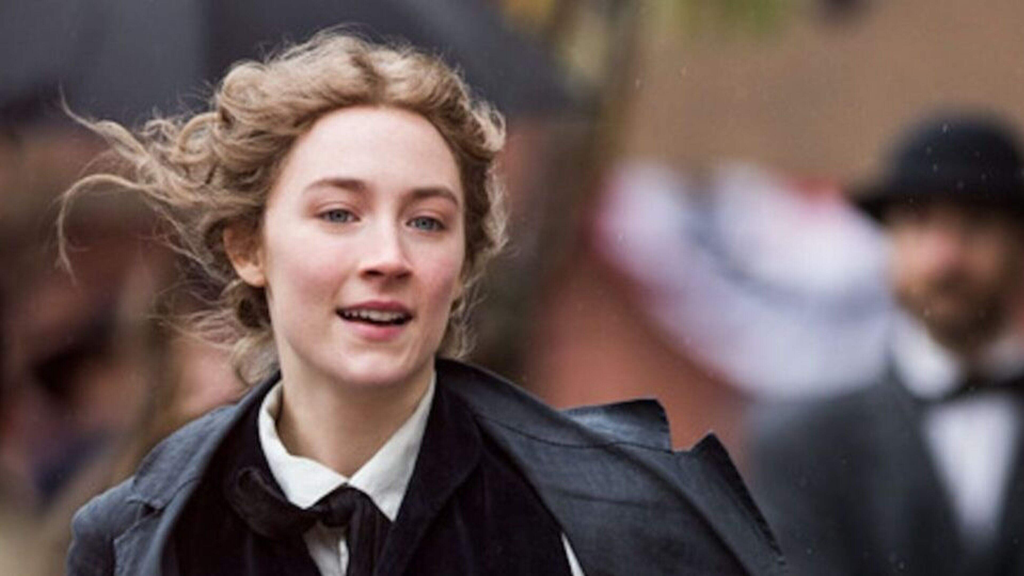
Ronan frequently uses a naturalistic approach. Her characters often communicate through ordinary conversations, hesitation, humor, and emotional reactions. She can portray confidence and uncertainty within the same scene, allowing audiences to understand the contradictions that make people believable.
Their methods differ, but both actors pay close attention to the inner lives of their characters. They demonstrate that compelling acting does not depend on one particular technique.
Films That Define Their Careers
Anthony Hopkins and the Complexity of Human Nature
Hopkins’s filmography includes roles that explore moral uncertainty, personal regret, and psychological conflict. In The Remains of the Day, he portrays a butler whose devotion to professional duty affects his personal relationships. The character’s restraint gives the story much of its emotional power.
In The Father, Hopkins plays an older man experiencing changes in his perception of reality. The film invites viewers to experience confusion alongside the central character, making it a distinctive exploration of memory and family responsibility.
Saoirse Ronan and Stories of Personal Growth
Ronan has often appeared in films centered on people discovering who they are. Brooklyn explores migration, belonging, and the difficult choices involved in building a future. Lady Bird examines teenage independence and the complicated affection between a mother and daughter.
Her performance in Little Women brought a fresh perspective to Jo March, a character determined to pursue her creative ambitions while navigating family expectations. Across these films, Ronan demonstrates an ability to make personal struggles feel universal.
What Their Success Reveals About Cinema
The careers of Hopkins and Ronan show that the film industry can recognize talent in different forms. Hopkins’s work reflects the lasting importance of experience, discipline, and character interpretation. Ronan’s career demonstrates how younger performers can build strong reputations through thoughtful choices and emotionally convincing performances.
Their achievements also show the value of films that allow characters to develop beyond simple heroes and villains. Audiences often connect most strongly with stories that acknowledge uncertainty, personal mistakes, and difficult relationships.
Cinema continues to change through new technologies, distribution platforms, and audience habits. Yet performances that express recognizable human emotions remain an essential part of storytelling.
Have Anthony Hopkins and Saoirse Ronan Worked Together?
Anthony Hopkins and Saoirse Ronan are both respected actors, but their individual success should not be confused with a confirmed professional partnership. There is no widely recognized major film in which they share prominent roles.
Their names can nevertheless be discussed together when examining different generations of acclaimed performers. Such a comparison offers an opportunity to consider how acting traditions continue to evolve while certain principles—preparation, emotional honesty, and character development—remain important.
Their Influence on Future Actors
Hopkins offers an example of how patience, experience, and a willingness to take on demanding characters can sustain a career. His performances demonstrate the impact of precision and restraint.
Ronan provides a different example: an actor can build a distinctive identity by choosing varied roles and exploring characters with different backgrounds and ambitions. Her work encourages attention to the details of ordinary life, especially in stories about growing up and finding independence.
For aspiring performers, both careers underline the importance of studying characters rather than simply memorizing lines. Understanding a character’s motivations can help turn a written scene into a believable human experience.
Conclusion
Anthony Hopkins and Saoirse Ronan have established individual places in cinema through different career journeys and acting styles. Hopkins is known for his powerful portrayals of complicated characters, while Ronan has earned acclaim for her emotionally nuanced performances and thoughtful approach to storytelling.
Their careers illustrate that great acting can take many forms. Whether through quiet intensity or naturalistic emotion, both performers show how cinema can explore identity, relationships, and the choices that shape human lives. Their work continues to offer audiences compelling stories and useful examples of the craft of acting.