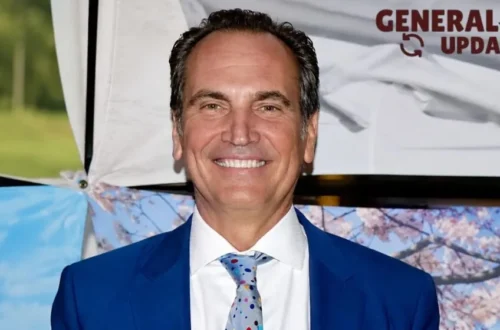








Introduction: Forest Whitaker and Bob Chapek in the Modern Entertainment Landscape
Forest Whitaker and Bob Chapek represent two distinct sides of the entertainment industry. One is an acclaimed actor and filmmaker whose performances have explored human complexity, political power, and social responsibility. The other is a business executive best known for leading The Walt Disney Company during a period of significant change and uncertainty. Although their professional careers developed along different paths, both offer valuable perspectives on how entertainment shapes public life, influences audiences, and responds to changing cultural expectations.
Their names also highlight an important distinction between creative storytelling and corporate leadership. While an actor helps bring characters and experiences to life, an executive makes decisions about the organizations, resources, and strategies behind entertainment. Examining these different roles provides a broader understanding of the industry and the people who influence its direction.
Who Are Forest Whitaker and Bob Chapek?
Understanding these two figures begins with their professional backgrounds. Forest Whitaker built his reputation through acting, directing, and producing, whereas Bob Chapek developed his career through business management and entertainment operations. Their achievements reflect different definitions of success, yet both careers demonstrate how much influence individuals can exercise within a global entertainment environment.
| Name | Professional identity | Known for |
|---|---|---|
| Forest Whitaker | Actor, filmmaker, and producer | Acclaimed performances, including The Last King of Scotland, and humanitarian work |
| Bob Chapek | Business executive | Serving as chief executive officer of The Walt Disney Company from 2020 to 2022 |
These contrasting backgrounds provide a useful starting point for understanding their contributions. Whitaker’s work is primarily experienced through films and public initiatives, while Chapek’s influence is more closely connected to corporate strategy, business operations, and organizational decisions.
Forest Whitaker: An Actor Drawn to Complex Human Stories
Forest Whitaker has established a distinctive place in modern cinema through performances that emphasize emotional depth and psychological complexity. Rather than relying solely on dramatic spectacle, he often brings attention to the motivations, vulnerabilities, and contradictions that shape human behavior. Consequently, his filmography includes characters who invite audiences to think beyond simple distinctions between right and wrong.
His Academy Award-winning portrayal of Ugandan ruler Idi Amin in The Last King of Scotland remains one of his best-known performances. The role demonstrated his ability to portray authority alongside unpredictability, creating a character whose public power concealed profound personal instability. However, Whitaker’s wider career extends beyond this celebrated performance, encompassing dramas, thrillers, independent films, and major studio productions.
Moreover, his work as a filmmaker and producer reflects an interest in storytelling beyond acting alone. By participating in different aspects of production, he has contributed to the process through which stories are selected, developed, and presented to audiences. His career illustrates how an artist’s influence can extend beyond individual performances.
Bob Chapek: Corporate Leadership at Disney
Bob Chapek entered the spotlight as a business leader rather than a performer. Before becoming Disney’s chief executive officer, he held senior positions within the company, including leadership roles connected to consumer products, parks, experiences, and studio entertainment. This background gave him extensive experience with the operational side of a company whose activities span films, television, theme parks, merchandise, and streaming.
Chapek became CEO in February 2020, just as the COVID-19 pandemic began disrupting the global economy. The timing created extraordinary challenges. Disney’s theme parks faced closures and restrictions, theatrical releases were affected, and the company had to adapt its distribution strategies as audiences increasingly consumed entertainment at home.
Nevertheless, his leadership period also generated difficult debates about corporate priorities, employee relationships, creative decision-making, and the future direction of Disney’s business. In November 2022, Disney announced that Bob Iger would return as CEO, replacing Chapek. His tenure therefore became a significant case study in executive leadership during a period when established entertainment models were being rapidly challenged.
Two Careers, Two Forms of Influence
The contrast between Whitaker and Chapek reveals how influence operates differently across the entertainment industry. Whitaker shapes audience experiences through performances, character interpretations, and filmmaking. Chapek’s responsibilities involved managing a large organization, allocating resources, and navigating commercial pressures across several interconnected businesses.
Despite these differences, both roles depend on understanding people. An actor must recognize emotional motivations to create a convincing character. Similarly, an executive must understand audiences, employees, customers, and investors to make effective decisions. The methods differ, but human behavior remains central to both professions.
Furthermore, their careers demonstrate that entertainment is not simply a collection of films and television programs. It is also a complex system involving artistic ambition, business strategy, technology, employment, and cultural debate. Examining its creative and corporate dimensions together makes it easier to understand why decisions made behind the scenes can affect what millions of people eventually experience.
Creative Storytelling and Commercial Expectations
The relationship between creativity and commerce has long influenced Hollywood. Filmmakers want the freedom to develop distinctive stories, while studios must consider budgets, distribution, audience demand, and financial sustainability. As a result, successful entertainment organizations continually negotiate the tension between artistic experimentation and commercial responsibility.
Whitaker’s career illustrates the importance of performances that challenge audiences and explore complicated subjects. Meanwhile, Chapek’s former position at Disney placed him within an organization expected to maintain established franchises while developing new opportunities. Those responsibilities can create competing priorities, particularly when audiences demand originality but also continue supporting familiar characters and fictional worlds.
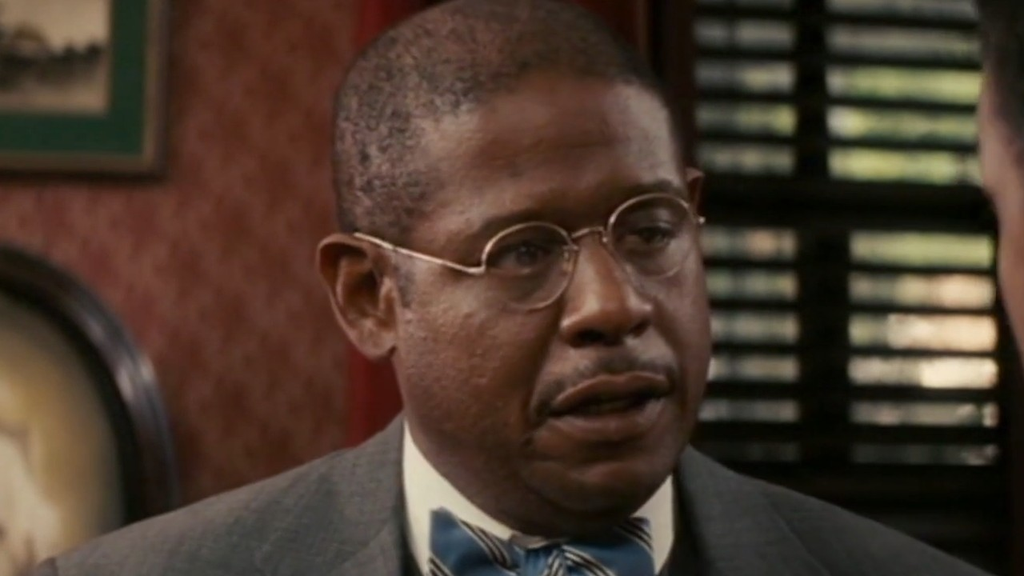
However, creative and commercial objectives do not always oppose each other. Strong storytelling can build lasting audience loyalty, while effective business management can provide the resources required to support ambitious productions. The challenge is finding a balance that protects creative quality without ignoring the practical realities of operating an entertainment company.
Leadership, Public Expectations, and Accountability
Public figures in entertainment face expectations that extend beyond their immediate professional responsibilities. Actors may be evaluated according to the messages conveyed through their work and their engagement with social issues. Corporate leaders, meanwhile, are judged by financial performance, workplace culture, public communication, and their responses to controversy.
Whitaker has also pursued humanitarian and peacebuilding initiatives, including work associated with the Whitaker Peace & Development Initiative. These efforts demonstrate how a public career can provide opportunities to support communities and encourage dialogue beyond the screen.
Chapek’s leadership experience presents a different lesson: the decisions of executives at major entertainment companies can become public cultural issues. Disney operates across numerous markets and communities, meaning that its corporate choices can attract scrutiny from employees, audiences, investors, and political leaders. Consequently, effective leadership requires more than operational knowledge; it also requires communication, judgment, and an understanding of public trust.
Why Their Contrasting Careers Matter
Considering these two figures together offers a useful way to examine the wider entertainment ecosystem. Whitaker represents the artistic work that gives stories their emotional force, while Chapek represents the organizational structures that distribute and monetize entertainment on a global scale. Neither perspective alone explains the entire industry.
For example, a film’s success depends on far more than an actor’s performance. Writers, directors, producers, editors, distributors, marketing teams, and business leaders all contribute to the final result. At the same time, corporate efficiency cannot guarantee that a production will resonate emotionally with viewers. Audiences ultimately respond to stories, characters, ideas, and experiences that feel meaningful to them.
Therefore, the comparison encourages a more complete understanding of entertainment. Artistic excellence and business competence are different capabilities, but both influence how creative work reaches the public and how cultural experiences become part of everyday life.
Conclusion: Understanding Entertainment Beyond the Screen
Forest Whitaker and Bob Chapek occupy different positions in the entertainment world, yet their careers reveal how creativity and corporate leadership intersect. Whitaker’s performances and humanitarian initiatives demonstrate the potential of storytelling and public engagement to explore human experience. Chapek’s time at Disney highlights the pressures facing executives responsible for major entertainment businesses during periods of technological, economic, and cultural change.
Ultimately, their significance lies not in suggesting that their careers are identical or directly connected, but in recognizing that entertainment depends on multiple forms of contribution. Artists create the experiences audiences remember, while business leaders influence the systems through which those experiences are produced and shared. Understanding both sides provides a richer perspective on an industry that continues to shape global culture, public conversation, and the stories people tell about themselves.