








Introduction
netdesizn com immediately sounds like a name shaped by the language of the internet: compact, memorable, and deliberately different from conventional spelling. At first glance, it suggests a connection with web design, digital creativity, branding, or online technology. However, a distinctive domain name alone does not establish what a website currently offers, who operates it, or whether it remains active. Therefore, the most useful way to approach netdesizn com is through the broader culture of digital design and the expectations people bring when they encounter an unfamiliar web brand.
Why Names Like netdesizn com Stand Out Online
The internet has changed the way businesses think about names. Traditionally, a company name needed to be easy to pronounce, attractive on printed material, and recognizable in conversation. Today, however, a digital brand also needs to work inside search results, social media profiles, browser tabs, and mobile interfaces. Consequently, unusual spellings can sometimes create stronger visual identities than ordinary words.
A name such as netdesizn com appears intentionally connected to the familiar idea of design while changing its spelling. That approach can create curiosity because visitors immediately try to understand the word behind the unusual construction. Moreover, distinctive naming can help a digital project feel independent rather than resembling a generic template-based business.
The Evolution of Web Design as a Digital Culture
Web design was once largely concerned with making information available through desktop browsers. Over time, that role expanded dramatically. Websites became storefronts, portfolios, publishing platforms, community spaces, and increasingly sophisticated brand experiences. As a result, designers began thinking about websites not simply as pages but as complete digital environments.
Today, successful web design combines visual hierarchy, usability, accessibility, responsive layouts, performance, typography, imagery, and brand personality. Furthermore, users have become more demanding. A website can look attractive yet still fail if navigation is confusing or pages load slowly. This shift explains why the best digital design increasingly balances creativity with practical human behavior.
What People Expect From a Modern Design Website
When visitors encounter a design-oriented web presence, they generally expect clarity before complexity. They want to understand what the organization does, what makes its work distinctive, and how they can explore relevant examples. Therefore, a strong design website usually communicates its purpose within moments rather than making visitors search through unnecessary layers.
Visual consistency matters just as much. Typography, spacing, imagery, buttons, colors, and page structure should feel as though they belong to the same visual language. In addition, mobile responsiveness has become essential because a large proportion of browsing happens on smartphones. Consequently, a contemporary design identity has to function across different screens without losing its character.
The Human Side of Digital Design
Behind every website is a human decision about how another person should experience information. That makes design more emotional than it may initially appear. A carefully arranged homepage can make visitors feel confident, while confusing navigation can create hesitation. Similarly, thoughtful typography can establish personality before someone reads a complete sentence.
This human dimension is especially important for smaller digital brands. Large corporations can sometimes rely on familiarity, advertising budgets, and established reputations. Smaller websites, however, often have only a few seconds to establish credibility. As a result, the design itself becomes part of the introduction: it tells visitors whether the project feels organized, current, creative, and trustworthy.
How Digital Design Influences Online Businesses
For businesses, design is no longer merely decoration added after the important work has been completed. Instead, it can influence how customers discover products, understand services, compare options, and decide whether to make contact. A well-designed website can reduce friction at each of these stages.
Moreover, design affects search visibility indirectly. Search engines evaluate many technical and behavioral signals, while users respond to readable content, useful structures, mobile-friendly pages, and fast experiences. Therefore, strong SEO and strong design should not be treated as opposing objectives. When combined properly, they create an environment in which both search engines and human visitors can understand a website more easily.
A Changing Definition of Professionalism
The meaning of a “professional” website has also changed. In earlier internet eras, elaborate graphics and animated elements could signal technical sophistication. Today, those same techniques may appear outdated if they interfere with usability. Instead, professionalism increasingly comes from restraint, consistency, accessibility, and attention to detail.
That does not mean every website should look minimalist. A creative studio, cultural publication, fashion platform, or experimental digital project may benefit from a more expressive visual identity. The important principle is purpose. Every visual decision should help communicate something rather than simply demonstrating that a particular effect is possible.
What Makes a Digital Brand Memorable?
Memorability usually comes from a combination of recognizable elements rather than a single clever idea. A distinctive name can help, but it needs to be supported by consistent imagery, writing, design language, and user experience. Otherwise, an unusual name may create curiosity without creating lasting recognition.
This is where a name such as netdesizn com can be considered within a wider branding conversation. Its altered spelling immediately gives it a visual quality, yet the real strength of any digital brand would ultimately depend on what visitors encounter after arriving. A compelling identity needs substance behind the first impression.
The Importance of Trust on an Unfamiliar Website
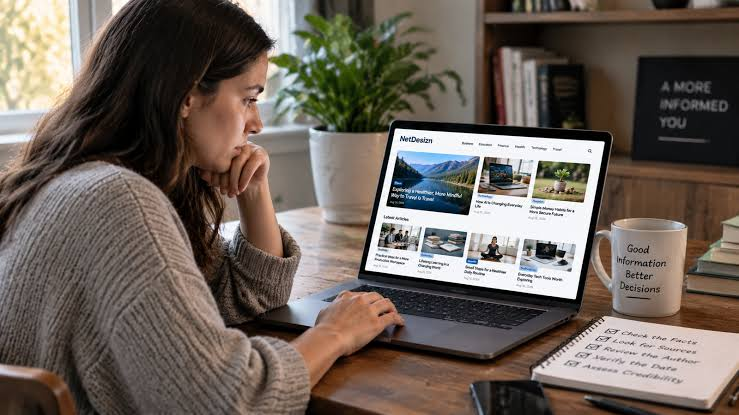
Whenever people visit an unfamiliar website, they naturally look for signals of legitimacy. Clear contact information, transparent descriptions, consistent branding, useful content, secure browsing, and recognizable business information can all contribute to confidence. Conversely, broken pages, unclear ownership, excessive advertisements, or outdated information may create uncertainty.
Therefore, anyone researching netdesizn com or another unfamiliar domain should separate the name from independently verifiable information. A domain can sound professional without necessarily revealing its current ownership, purpose, or activity. Checking the website itself, available company information, recent activity, and other reliable references is a sensible step before relying on it for business or personal decisions.
Digital Design Is Becoming More Invisible
Interestingly, some of the strongest modern design is designed not to call attention to itself. When a website works exceptionally well, visitors may simply move through it without thinking about menus, spacing, hierarchy, or interaction patterns. The technology disappears behind the experience.
That invisibility represents an important achievement. Good design reduces the mental effort required to accomplish something. Whether a visitor is reading an article, purchasing a product, contacting a company, or exploring a portfolio, the interface should support the goal rather than compete with it.
Conclusion
netdesizn com is an intriguing example of how a web name can evoke a much larger conversation about digital identity, creativity, and the evolution of the internet. Its unusual construction draws attention, but ultimately, a digital presence is judged by what lies beyond the name: useful information, thoughtful design, accessibility, performance, transparency, and a meaningful experience for visitors.