







Marvin Ellison and Greg Garland are two prominent American business leaders whose careers demonstrate how strategic thinking, operational discipline, and long-term decision-making can shape major companies. Although they built their reputations in different industries, their professional journeys offer valuable perspectives on executive leadership, organizational change, and the responsibilities that come with managing large businesses.
Marvin Ellison is widely recognized for his leadership in the retail sector, particularly through his role at Lowe’s Companies. Greg Garland, meanwhile, established his reputation in the energy industry as a senior executive at Phillips 66. Their careers provide an interesting comparison of two different business environments: one centered on retail customers and home improvement, and the other on energy production, refining, and industrial markets.
Who Are Marvin Ellison and Greg Garland?
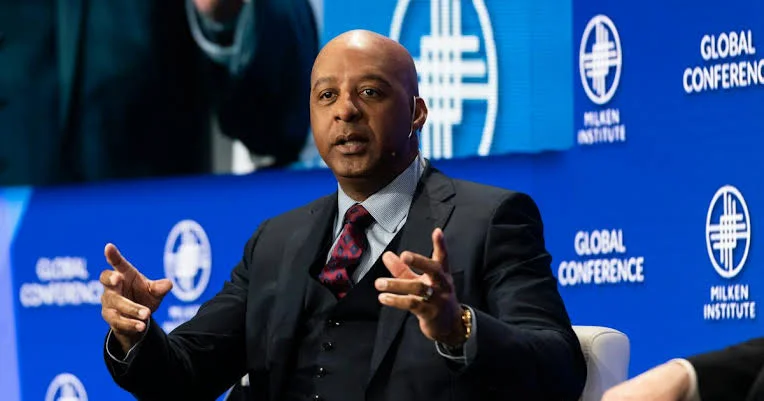
Marvin Ellison is an experienced retail executive who has held leadership positions at several major American retailers. His career has included work at Target, Home Depot, and J.C. Penney before he became the president and chief executive officer of Lowe’s in 2018. He subsequently became chairman of Lowe’s board in 2021.
Greg Garland built his career in the energy sector. A chemical engineer by training, he joined Phillips Petroleum in 1980 and later became chairman and chief executive officer of Phillips 66 when the company was established as an independent publicly traded business in 2012. He served as CEO until 2022 and continued as executive chairman until his retirement in 2024.
Their backgrounds reveal two different routes to executive leadership. Ellison developed extensive experience in retail operations and customer-focused business management, while Garland advanced through the technical and commercial complexities of the energy industry.
Marvin Ellison’s Journey in Retail Leadership
Marvin Ellison’s career illustrates the importance of operational experience in a competitive retail market. Before leading Lowe’s, he worked in leadership roles at Target and Home Depot, gaining experience in store operations, supply chains, merchandising, and customer service.
These areas are particularly important in retail because companies must balance product availability, pricing, employee performance, and customer expectations. Even small operational improvements can influence sales and profitability across a large network of stores.
When Ellison became Lowe’s CEO in 2018, the company faced the ongoing challenge of strengthening its position in the home improvement market. Competition, changing shopping habits, and the growth of digital commerce required retailers to continually reconsider how they served customers.
His leadership emphasized operational execution, improvements to the customer experience, and the development of stronger relationships with professional customers, including contractors. This segment matters because professional buyers often make repeat purchases and may require reliable product availability, knowledgeable assistance, and efficient service.
Ellison’s career also demonstrates how experience across different organizations can help an executive approach familiar problems from new perspectives. Retail leadership requires both strategic planning and practical attention to everyday operations.
Greg Garland’s Career in the Energy Industry
Greg Garland’s professional background followed a different path. With a chemical engineering education, he entered an industry in which technical knowledge, large-scale infrastructure, regulatory requirements, and commodity markets play central roles.
After joining Phillips Petroleum in 1980, Garland gained experience in an organization involved in the global energy business. Over time, he progressed into senior leadership and became the first chairman and CEO of Phillips 66 following its separation from ConocoPhillips in 2012.
Leading an energy company involves managing complex assets and making decisions that can have consequences over many years. Refineries, pipelines, and other energy infrastructure require substantial investment, careful maintenance, and attention to safety and environmental responsibilities.
During Garland’s leadership, Phillips 66 operated across several parts of the energy value chain, including refining, midstream operations, chemicals, and marketing. Each area presented different challenges, from market volatility to infrastructure investment and changing energy demand.
Garland’s tenure also overlapped with a period of significant debate about the future of energy. Companies in the sector have had to consider traditional fuel demand, environmental expectations, technological development, and the long-term economics of energy infrastructure.
His career highlights the value of combining technical understanding with financial judgment and organizational leadership.
Marvin Ellison and Greg Garland: A Comparison of Leadership Styles
Although Marvin Ellison and Greg Garland worked in different industries, their careers provide a useful way to examine how leadership changes according to a company’s operating environment.
| Category | Marvin Ellison | Greg Garland |
|---|---|---|
| Industry | Retail and home improvement | Energy and industrial markets |
| Known leadership role | Chairman, president, and CEO of Lowe’s | Former chairman and CEO of Phillips 66 |
| Professional background | Retail operations and management | Chemical engineering and energy management |
| Major business priorities | Customer experience, store operations, and retail performance | Operational reliability, energy markets, and capital investment |
| Leadership challenge | Responding to customer needs and retail competition | Managing complex assets and volatile energy markets |
The comparison shows that effective leadership does not follow one universal formula. Retail executives must remain responsive to changing consumer behavior, while energy leaders often make decisions involving long investment cycles and highly complex industrial systems.
Nevertheless, both environments reward accountability, clear priorities, effective communication, and the ability to make decisions using reliable information.
The Importance of Operational Excellence
Operational excellence is a recurring theme in both careers, even though it means different things in each industry.
In retail, operational excellence can involve maintaining inventory, improving checkout experiences, supporting employees, and ensuring that customers can find the products they need. Retailers also have to coordinate physical stores with online services, delivery networks, and distribution centers.
In the energy industry, operational excellence includes maintaining equipment, protecting workers, managing infrastructure, and ensuring that industrial facilities operate reliably. Because energy assets are expensive and technically complex, poor decisions can create substantial financial and operational consequences.
Both leaders operated in businesses where strategy must translate into measurable execution. A corporate plan is only effective when employees, managers, and operating systems can put it into practice.
Adapting to Changing Markets
Another important theme connecting the careers of Marvin Ellison and Greg Garland is the need to adapt to changing markets.
Retailers have faced the expansion of e-commerce, evolving consumer expectations, economic uncertainty, and competition from both established chains and digital businesses. Leadership requires identifying which changes are temporary and which require lasting adjustments to a company’s business model.
The energy sector faces a different combination of pressures. Global supply and demand, geopolitical developments, commodity prices, environmental policies, and technological innovation can all influence business performance. Energy executives must evaluate immediate market conditions while making investments that may take years to deliver returns.
Consequently, both industries require leaders who can balance short-term performance with long-term resilience. The details differ, but the underlying challenge remains similar: organizations must continue serving their markets while preparing for an uncertain future.
What Business Professionals Can Learn From Their Careers
The careers of Ellison and Garland offer several lessons for aspiring managers, entrepreneurs, and business professionals.
First, industry knowledge matters. Understanding how a business operates helps leaders recognize practical problems and evaluate realistic solutions.
Second, experience can create perspective. Ellison’s work across major retailers gave him exposure to different operating models, while Garland’s long career in the energy sector helped him understand the technical and commercial dimensions of the industry.
Third, strategy requires execution. Companies need more than ambitious plans. They need capable teams, clear responsibilities, sound processes, and consistent evaluation of results.
Finally, leadership depends on context. A decision that works in retail may not be suitable for an energy company. Effective executives adapt their methods to the needs, risks, and expectations of their organizations.
These lessons are relevant beyond large corporations. Small-business owners and emerging professionals can also benefit from developing practical expertise, learning from different experiences, and making decisions with a long-term perspective.
Conclusion
Marvin Ellison and Greg Garland represent two distinct examples of leadership in American business. Ellison built his reputation through retail operations and customer-focused management, eventually leading Lowe’s Companies. Garland developed a career in the energy industry, rising through Phillips Petroleum and becoming the founding chairman and CEO of Phillips 66 after its separation from ConocoPhillips.
Although their professional paths are different, both careers illustrate the importance of industry knowledge, operational discipline, strategic planning, and adaptability. There is no need to assume that the two executives worked together to appreciate the value of comparing their experiences.
Ultimately, the story of Marvin Ellison and Greg Garland is a study in how leadership principles can apply across different sectors. Their careers show that successful business management depends on understanding the market, guiding people effectively, and turning long-term objectives into practical results.