









Harlene Rosen: Understanding a Story That Extends Beyond Fame
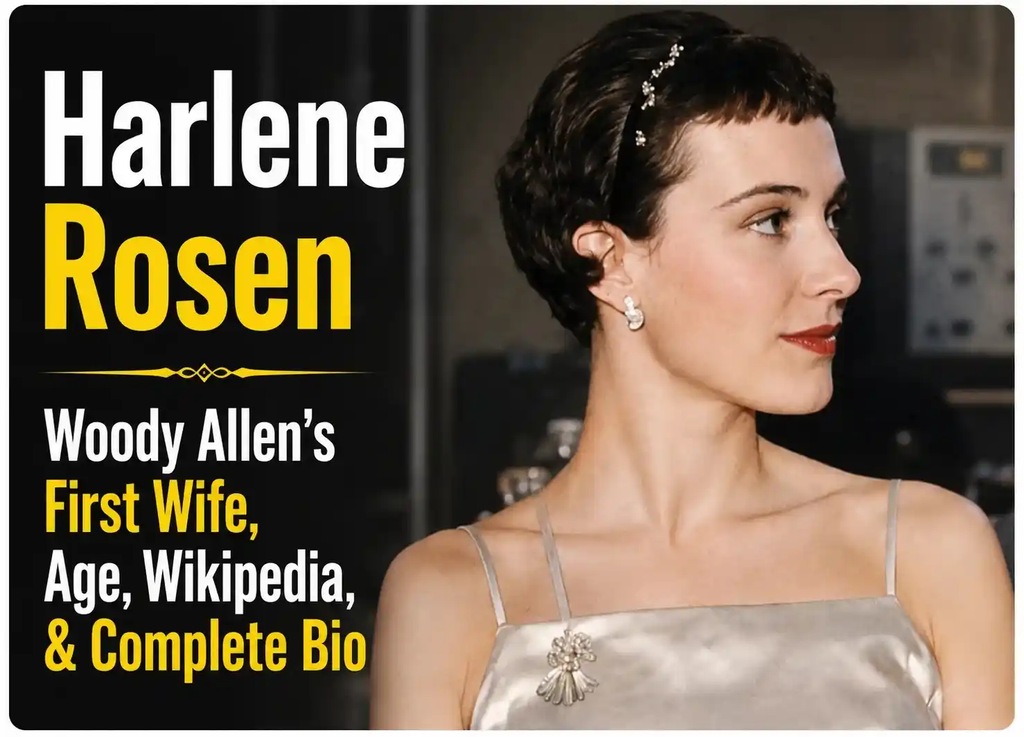
Harlene Rosen remains a subject of interest because her name connects a relatively private life with the extensive public history of Woody Allen. Although their marriage is a documented part of his early biography, much less is known about Rosen’s experiences beyond that relationship. This imbalance offers a different way to approach her story: not simply as a chapter in a famous person’s life, but as an example of how public attention shapes historical identity. Her story encourages readers to consider what celebrity biographies preserve, what they leave out, and why those omissions matter.
The Difference Between Being Known and Being Understood
In the modern media environment, recognition can easily be mistaken for genuine knowledge. Someone may appear in biographies, online articles, and search results without having a substantial public account of their own life. Rosen illustrates this distinction particularly well. Readers can discover her name through her marriage to Allen, yet reliable information about her independent experiences remains limited. Consequently, the visibility of her name should not be confused with a complete understanding of her identity. This distinction is important whenever a person’s public recognition depends primarily on an association with someone more famous.
A Marriage Set Against the Early Career of Woody Allen
Rosen married Allen in 1956, when he was developing his career as a comedy writer and performer. At the time, his later reputation as a filmmaker had not yet emerged in its familiar form. Their marriage therefore belongs to a period that preceded many of the professional achievements for which he became known. As his career expanded, the relationship became a recurring detail in accounts of his personal history. Nevertheless, the fact that a marriage appears in celebrity biographies does not mean that those accounts capture the complete experiences or perspectives of both people involved.
Two Different Levels of Public Visibility
| Individual | Public profile and historical context |
|---|---|
| Harlene Rosen | A comparatively private person whose name is primarily associated with her early marriage to Allen. |
| Woody Allen | A prominent American entertainer known for comedy, screenwriting, acting, and directing. |
The contrast between these profiles illustrates how fame affects the preservation of personal history. Allen’s films, interviews, and professional achievements have generated extensive documentation. Rosen’s public record is much narrower. As a result, readers should be cautious when encountering detailed claims about her later life that lack credible supporting evidence. A difference in public documentation reflects the available historical record; it does not establish the relative importance of the individuals themselves.
When Personal Memories Become Entertainment
One of the more sensitive aspects of Rosen’s public history concerns Allen’s reported jokes about their relationship after their marriage ended. Biographical accounts have also discussed a reported defamation dispute connected with those remarks. This episode offers a broader perspective on the relationship between personal memory and public performance. Comedians often draw on real experiences to create material that audiences find recognizable or entertaining. However, when those stories involve identifiable people, the consequences can extend beyond the stage. The situation demonstrates how humor, reputation, and privacy can come into conflict.
The Missing Chapters in a Public Biography
Many readers naturally want to know what happened to Rosen after the marriage. Questions about her professional interests, family circumstances, and later relationships frequently arise when people research her name. Yet dependable public information does not establish a comprehensive account of these subjects. Therefore, responsible writing must resist the temptation to fill the gaps with assumptions. A limited historical record is not evidence of an uneventful life; it simply means that the available sources do not provide enough information to tell the full story. This distinction helps prevent speculation from becoming accepted as fact.
Why the Perspective of a Less-Famous Person Matters
Biographies often depend on the sources that are easiest to find, including interviews with celebrities and accounts written by people who have spent years studying their careers. Consequently, the more famous individual can dominate the narrative, even when a story involves two people. Rosen’s history illustrates the importance of considering this imbalance. Her marriage can be discussed accurately without pretending to know her private thoughts or motivations. Moreover, acknowledging the limits of the evidence allows readers to recognize the humanity of someone whose experiences may not have been preserved in the same detail as those of a famous former partner.
Search Engines and the Reinvention of Historical Curiosity
The internet has created new opportunities for people to explore old stories. A name mentioned briefly in a biography can become the focus of fresh attention as readers investigate a celebrity’s background. Rosen’s continued appearance in online searches reflects this process. However, repeated publication does not necessarily produce new historical evidence. Several websites may repeat the same limited information, making a subject appear more thoroughly documented than it actually is. Therefore, readers benefit from checking the quality of sources rather than assuming that the quantity of search results guarantees accuracy.
Privacy as an Important Part of Cultural History
Privacy is often discussed as an individual preference, but it also influences how cultural history is recorded. Some people actively participate in public life, while others choose not to share personal details with a broad audience. Both circumstances deserve consideration. Rosen’s limited public profile reminds writers that a person’s connection to a celebrity does not automatically justify speculation about their private affairs. In addition, careful reporting can make an article more informative by separating what is known from what remains uncertain. Respecting privacy and maintaining historical accuracy are therefore complementary responsibilities.
What Readers Can Take Away From Her Story
Rosen’s story encourages a more thoughtful approach to celebrity biography. Instead of viewing every person connected to a famous entertainer as a supporting character, readers can recognize that public narratives are selective accounts shaped by available evidence. Furthermore, the absence of information should encourage caution rather than dramatic invention. Her connection to Allen is historically relevant, but it cannot define every dimension of her life. By keeping that distinction in mind, readers can explore entertainment history with greater curiosity while remaining aware of the limitations of public knowledge.
Frequently Asked Questions About Harlene Rosen
Why is Harlene Rosen associated with Woody Allen?
She is best known as Allen’s first wife. They married in 1956, before he achieved the professional recognition that later defined his public career.
Is her personal history fully documented?
No comprehensive public biography is readily established by the commonly available information. Her marriage is better documented than her subsequent personal and professional life.
Why do articles about her focus on privacy?
Her public recognition largely comes from a relationship with a prominent entertainer. This makes it important to distinguish documented history from unsupported assumptions about her independent life.
What makes her story culturally significant?
Her story illustrates how fame influences which personal experiences become widely known and which remain outside the historical record. It also raises questions about privacy and the ethics of public storytelling.
Conclusion: Respecting the Person Beyond the Record
Harlene Rosen’s place in celebrity history offers a useful reminder that public recognition and personal understanding are not the same thing. Her marriage to Woody Allen forms a documented part of his early life, yet the available information reveals comparatively little about her broader experiences. Rather than treating those gaps as an invitation to speculate, a thoughtful account recognizes the limits of what can be established. Ultimately, her story encourages a more balanced view of fame, one that considers not only the people whose lives dominate headlines but also those whose histories remain largely private.