






Introduction
John Wayne and Maureen O’Hara represent one of classic Hollywood’s most memorable screen partnerships, combining rugged Western charisma with spirited performances and unmistakable chemistry. Although both actors enjoyed successful careers independently, their collaborations created a distinctive place in American film history. From adventure stories to family-centered dramas, they brought warmth, humor, and strength to characters that audiences continued to remember long after the films left theaters. Moreover, their professional relationship reflected a period when Hollywood built lasting stars through recognizable personalities, compelling storytelling, and partnerships that felt authentic on screen.
Who Were John Wayne and Maureen O’Hara?
John Wayne was an American actor whose commanding screen presence made him one of the defining figures of Western and adventure cinema. Born Marion Robert Morrison in 1907, he became internationally famous for portraying determined, independent characters who often faced difficult choices in challenging circumstances.
Maureen O’Hara, born in Dublin, Ireland, in 1920, developed a reputation for portraying intelligent, courageous, and outspoken women. Her expressive performances and strong personality distinguished her from many of her contemporaries. Consequently, she became a prominent figure in Hollywood adventure films and family dramas.
| Detail | John Wayne | Maureen O’Hara |
|---|---|---|
| Birth name | Marion Robert Morrison | Maureen FitzSimons |
| Born | May 26, 1907 | August 17, 1920 |
| Nationality | American | Irish-American |
| Known for | Westerns, war films, adventure dramas | Adventure films, dramas, family stories |
| Notable film | The Searchers (1956) | The Quiet Man (1952) |
| Screen reputation | Strong, reserved, authoritative | Spirited, independent, expressive |
Together, these performers created a cinematic partnership that combined contrasting personalities with a shared ability to command attention.
How Their Hollywood Partnership Began
The connection between John Wayne and Maureen O’Hara developed during Hollywood’s golden age, when studios frequently brought recognizable stars together to create films with broad audience appeal. Their first major collaboration was Rio Grande (1950), directed by John Ford. The film introduced audiences to a partnership that would continue across several productions.
However, their appeal extended beyond the novelty of seeing two established performers share the screen. Wayne’s restrained delivery and imposing presence complemented O’Hara’s lively expressions and confident dialogue. As a result, their scenes often carried a natural energy that made their characters feel more engaging.
Their professional relationship also benefited from working with filmmakers who understood how to balance action, humor, romance, and family conflict. Rather than relying entirely on spectacle, these films gave the actors opportunities to develop recognizable characters within emotionally accessible stories.
The Quiet Man: A Film That Captured Their Chemistry
Released in 1952, The Quiet Man remains the most celebrated collaboration between John Wayne and Maureen O’Hara. Directed by John Ford and set in rural Ireland, the film follows Sean Thornton, an American former boxer who returns to his ancestral homeland, and Mary Kate Danaher, an independent Irish woman whose determination challenges his expectations.
The film brought together romantic comedy, cultural identity, family tensions, and the appeal of an imagined Irish countryside. Wayne played Thornton with a mixture of restraint and vulnerability, while O’Hara gave Mary Kate a strong sense of independence and personal pride.
Importantly, O’Hara’s character was not simply a supporting presence in Wayne’s story. Her determination shaped the central conflict and gave the romance its distinctive personality. Although some aspects of the film reflect the gender expectations and romantic conventions of its era, its central performances continue to attract viewers.
Furthermore, The Quiet Man received the Academy Awards for Best Director and Best Cinematography in 1953. Its lasting reputation demonstrates how a film can become culturally significant through its setting, performances, and memorable visual atmosphere.
Why Their On-Screen Chemistry Felt Different
The partnership between Wayne and O’Hara worked because neither performer disappeared into the other’s shadow. Wayne brought physical confidence and a controlled acting style, while O’Hara matched his presence with expressive reactions, sharp dialogue, and emotional conviction.
Their characters frequently challenged one another. Consequently, disagreements became an important part of their screen appeal rather than obstacles to the story. Their exchanges could shift from humor to tension and then toward reconciliation, giving audiences several emotional dimensions to enjoy.
In addition, their acting styles created a balance between familiarity and contrast. Wayne often represented steadiness, while O’Hara introduced movement, wit, and unpredictability. This combination helped distinguish their films from partnerships built primarily around conventional romantic glamour.
Their chemistry was therefore not simply about romance. It also depended on mutual screen presence, contrasting personalities, and the ability to make dialogue feel spontaneous within carefully constructed scenes.
Beyond The Quiet Man: Their Other Memorable Films
Although The Quiet Man remains their best-known collaboration, John Wayne and Maureen O’Hara appeared together in several other films that demonstrated the range of their partnership.
Rio Grande (1950)
Directed by John Ford, Rio Grande combined cavalry action with a family drama involving Lieutenant Colonel Kirby Yorke, played by Wayne, and his estranged wife Kathleen, played by O’Hara. Their characters faced unresolved personal tensions against the backdrop of military responsibilities.
The film established important elements of their screen dynamic, particularly the contrast between Wayne’s disciplined character and O’Hara’s emotionally direct performance. Moreover, it helped prepare audiences for the more intimate storytelling of their later collaboration.
The Wings of Eagles (1957)
In The Wings of Eagles, Wayne portrayed Frank “Spig” Wead, a naval aviator who later became a screenwriter. O’Hara played his wife, Min Wead, whose relationship with him forms an important part of the story.
Unlike the romantic atmosphere associated with The Quiet Man, this film explored ambition, personal sacrifice, and the difficulties of maintaining a marriage amid changing circumstances. Their performances gave the story an emotional dimension that extended beyond its military and professional setting.
McLintock! (1963)
The Western comedy McLintock! offered a different expression of their partnership. Wayne played wealthy rancher George Washington McLintock, while O’Hara portrayed Katherine, his estranged wife.
The film used broad comedy, family conflict, and Western settings to explore marriage and community life. Although its humor reflects the attitudes of its period, the production remains an important example of how comfortably the two actors moved between dramatic and comic material.
Big Jake (1971)
In Big Jake, Wayne and O’Hara reunited in a story involving a kidnapped child and a family struggling to respond to danger. Wayne played Jacob McCandles, while O’Hara portrayed Martha McCandles.
By this point, their partnership carried the familiarity of two established stars who understood the strengths of their shared screen presence. The film also demonstrated that their appeal could survive changes in Hollywood’s storytelling styles and audience expectations.
The Films That Shaped Their Shared Legacy
The following comparison highlights how their collaborations developed across different genres and periods.
| Film | Release year | Central appeal |
|---|---|---|
| Rio Grande | 1950 | Military duty and marital reconciliation |
| The Quiet Man | 1952 | Romance, Irish identity, and family traditions |
| The Wings of Eagles | 1957 | Marriage, ambition, and personal sacrifice |
| McLintock! | 1963 | Western comedy and family conflict |
| Big Jake | 1971 | Family loyalty and adventure |
These productions reveal that Wayne and O’Hara were not limited to a single formula. Instead, their partnership adapted to stories involving romance, domestic conflict, professional ambition, humor, and action.
Irish Heritage and the Cultural Appeal of Their Films
Maureen O’Hara’s Irish background played an important role in the public image of their partnership, particularly in The Quiet Man. The film presented Ireland through green landscapes, village life, family traditions, and community relationships. For many viewers, these elements contributed to its enduring charm.
Nevertheless, the film’s portrayal of Ireland should be understood as a Hollywood interpretation rather than a comprehensive representation of Irish society. Its romanticized landscapes and heightened local characters reflect the filmmaking conventions of its time.
O’Hara brought a personal connection to the setting through her upbringing in Dublin, although her performance remained shaped by the demands of the screenplay and John Ford’s direction. Wayne, meanwhile, approached the role of an American returning to his ancestral homeland through the perspective of an outsider discovering a different way of life.
Together, their performances helped make the film appealing to international audiences. More broadly, their collaboration demonstrated how Hollywood could use cultural identity to give familiar stories a distinctive atmosphere.
Friendship Behind the Cameras
Over the years, Wayne and O’Hara became associated with a professional relationship marked by mutual respect and affection. Their repeated collaborations helped establish a sense of familiarity that audiences could recognize in their performances.
O’Hara later spoke warmly about Wayne and their friendship, and their association remained an important part of how both performers were remembered. Their shared filmography also benefited from the consistency of working with familiar colleagues, allowing them to develop an established rhythm across different productions.
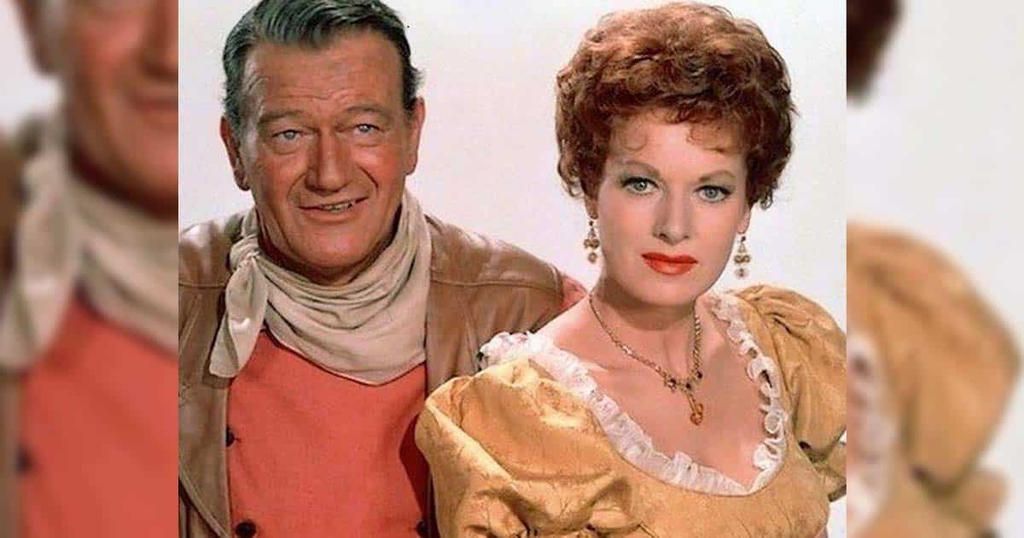
However, it is important to distinguish their documented professional relationship from the fictional romances portrayed on screen. Their memorable performances do not establish that they were romantically involved in real life. Instead, the enduring interest in their relationship reflects the power of convincing acting and the public’s fascination with Hollywood partnerships.
Their story illustrates how professional trust can become part of a screen legacy without requiring the private lives of the actors to mirror their fictional characters.
How Modern Audiences Continue to Discover Their Work
Today, the films of John Wayne and Maureen O’Hara remain accessible through classic-film broadcasts, home video, streaming catalogues, and retrospectives. Viewers encounter them for different reasons: some appreciate Western history, others enjoy romantic comedies, and many are interested in the development of Hollywood stardom.
Meanwhile, film historians can examine their collaborations as examples of the studio era’s approach to casting and genre. Their films reveal how familiar stars could provide continuity while directors explored different settings and themes.
Modern audiences may also view certain scenes differently from viewers in the 1950s and 1960s. Changing conversations about gender roles, marriage, and cultural representation encourage a more critical understanding of older films. Nevertheless, historical context does not prevent audiences from appreciating the performances, cinematography, humor, and emotional storytelling that made these productions memorable.
This combination of nostalgia and reassessment helps keep their work relevant to new generations.
Frequently Asked Questions
Were John Wayne and Maureen O’Hara married in real life?
No. They were longtime professional collaborators and friends, but they were never married to each other. Their on-screen relationships contributed to public interest in their personal connection.
What was their most famous movie together?
The Quiet Man (1952) is generally regarded as their most celebrated collaboration. Its Irish setting, romantic storyline, and John Ford’s direction helped establish its enduring reputation.
How many films did they make together?
They appeared together in five feature films: Rio Grande, The Quiet Man, The Wings of Eagles, McLintock!, and Big Jake.
Why did their partnership work so well?
Their contrasting acting styles created a compelling balance. Wayne supplied a steady, authoritative presence, while O’Hara brought expressive energy, confidence, and sharp humor.
Were John Wayne and Maureen O’Hara close friends?
They were widely associated with a lasting friendship and mutual professional respect. Their repeated collaborations strengthened that public association, although their real-life relationship should not be confused with their fictional romances.
Conclusion: A Hollywood Partnership That Endures
John Wayne and Maureen O’Hara created a screen partnership that remains distinctive within classic American cinema. Their films combined action, romance, humor, family conflict, and cultural identity, while their contrasting performances gave familiar stories an individual character.
Above all, their legacy extends beyond The Quiet Man, even though that film remains the clearest expression of their shared appeal. From Rio Grande to Big Jake, their collaborations demonstrated how two accomplished performers could sustain audience interest across different genres and changing eras.
Their enduring significance lies in the relationship between performance and memory. Wayne and O’Hara became memorable not because their fictional lives reproduced their own, but because they made their characters believable within the worlds their films created. Decades later, their work continues to offer audiences both an entertaining connection to Hollywood’s past and an opportunity to reflect on how classic films preserve the values, conventions, and cultural imagination of their time.